
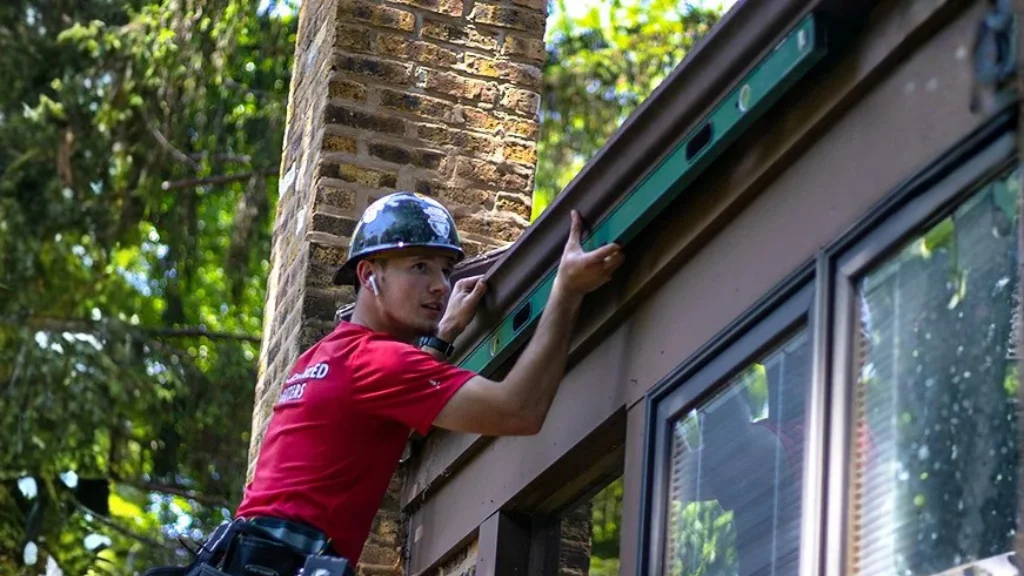
Why are gutters important? Many homeowners do not think about gutters until water damage becomes visible. However, gutters play a critical role in protecting your home every day. They guide rainwater away from your roof, walls, and foundation, helping prevent leaks, erosion, and structural damage. Without gutters, water can collect near your home and lead to mold growth and costly repairs. This guide explains what gutters do, why gutters are important for long-term home protection, and answers a common question many homeowners ask: Are gutters important for every home?
What Do Gutters Actually Do?
First, gutters collect rainwater as it flows off your roof during storms. Instead of letting water fall freely around your home, gutters capture it in a controlled system. As a result, the water moves smoothly through the gutter channels and into the downspouts. These downspouts then carry water safely away from your home’s foundation. Therefore, gutters help prevent water from pooling near walls, basements, and walkways. In simple terms, gutters manage rainwater so it does not damage your roof, siding, or structure. Without this system, water can cause erosion, leaks, and long-term structural problems.
Why Are Gutters Important for Protecting Your Foundation?
Why are gutters important for protecting your foundation? When rainwater is not directed away, it pools near the base of your home and soaks the soil. This soil saturation creates pressure against foundation walls, often leading to cracks and leaks. Poor grading makes the problem worse by allowing water to collect instead of draining away. Over time, this constant moisture causes long-term settlement and structural shifts. For this reason, many homeowners ask, are gutters important for foundations? The answer is yes—gutters help control water flow and protect your home’s stability.
How Gutters Protect Your Roof and Fascia
Uncontrolled rainwater can quietly damage your roof if gutters are missing or clogged. When water has nowhere to drain, it can back up under shingles and weaken roofing layers. In addition, constant moisture along the roof edge causes fascia boards to rot and peel. Similarly, in colder climates, trapped water can freeze and form ice dams, which lift shingles and lead to leaks. Over time, these issues shorten roof life and increase repair costs. This is why gutters are important—they manage water flow and protect your roof and fascia from long-term damage. Proper water control also supports roof longevity, making roof maintenance an important part of protecting your home from water damage.
Why Gutters Are Important for Exterior Walls
Gutters protect your exterior walls by controlling how rainwater flows off the roof. When water repeatedly hits the siding, damage becomes unavoidable. Over time, this causes water stains, peeling paint, and mold growth. Constant moisture also leads to wood rot, especially around trim and siding edges. As a result, your home can look worn and poorly maintained. Therefore, gutters are important because they keep walls dry, preserve exterior finishes, and protect curb appeal. A well-maintained exterior also supports higher resale value.
Are Gutters Important for Basement Protection?
Yes—and here’s why. Gutters and downspouts move rainwater away from your home instead of letting it collect near the foundation. Without them, standing water can seep into basements and crawl spaces. Over time, trapped moisture leads to leaks, mold growth, and structural damage. Crawl spaces are especially at risk because they hold damp air. Therefore, gutters are important for keeping basements dry and protecting your home from long-term moisture problems.
Why Gutters Are Important for Your Yard and Landscaping
A proper gutter system does more than protect your house—it also protects your landscape. During heavy rain, rain gutters help move water away from your home instead of letting it crash onto the ground below. Without functioning gutters, soil erosion can occur quickly, washing away mulch and exposing plant roots. At the same time, excess water damages plants and creates uneven ground near walkways. Equally important, poor drainage around the foundation of your home can affect stability. This shows the true purpose of gutters: guiding rainwater away from your house while preserving your yard and outdoor spaces.
How Gutters Help Prevent Mold, Pests, and Slips
Gutters are essential for keeping your home safe and healthy. When gutters help direct water away from the house, they reduce moisture buildup around walls, walkways, and the foundation. Without this drainage system, damp areas encourage mold and mildew growth. In addition, standing moisture attracts insects and pests that thrive in wet conditions. Wet surfaces also create slippery walkways, increasing fall risks. This is why gutters are an essential part of protecting your home from potential health and safety issues. Proper gutter installation and regular maintenance help keep your home dry, clean, and secure.
Are Gutters Important for Every Home?
Are gutters always necessary? In some situations, homes may not require gutters. For example, steep rooflines allow rainwater to flow away quickly, while large overhangs can push water farther from the sides of the house. In dry climates, limited rainfall may reduce the need for a full gutter system. Proper ground grading can also help move water away from the foundation.
However, these cases are the exception, not the rule. In most homes, gutters are necessary to control water flow, protect the foundation, and prevent damage to siding, landscaping, and walkways. Because weather patterns change and heavy rain can occur unexpectedly, gutters remain a reliable way to protect your home from long-term water damage.
Choosing the Right Gutter System for Your Home
Choosing the right gutter system depends on your budget, climate, and home design. Aluminum gutters are lightweight, affordable, and resist rust, making them a popular choice for many homes. Steel gutters are stronger and handle heavy rain well, but they may rust over time without proper care. Copper gutters offer a premium look and long lifespan, although they come at a higher cost. Vinyl gutters are budget-friendly and easy to install, but they may crack in extreme temperatures. You can also choose between seamless gutters, which reduce leaks, and sectional gutters, which cost less but require more maintenance.
What Happens Without Gutters?
Ultimately, not having gutters puts your home at serious risk. When rainwater is not directed away, it collects near the foundation and causes cracks over time. As a result, water can seep under shingles, leading to roof leaks and interior damage. Constant moisture also encourages mold growth, which affects both health and indoor air quality. These problems often go unnoticed until repairs become costly. Without gutters, small water issues quickly turn into major damage that impacts the safety and value of your home.
Why Gutter Maintenance Is Just as Important
Even the best gutter system needs regular care to work properly. Cleaning removes leaves and debris that block water flow. Routine inspections help spot leaks, loose sections, or sagging before they worsen. Gutter guards can reduce clogs and limit maintenance needs. By keeping gutters clear and functional, you ensure they continue to protect your home from water damage and perform effectively during heavy rain.
Conclusion
Gutters may seem simple, but their role in protecting your home is critical. From preventing foundation damage to keeping roofs, walls, basements, and landscapes safe, gutters manage water where it matters most. When properly installed and maintained, they reduce costly repairs and long-term risks. Investing in a reliable gutter system is a practical step toward preserving your home’s value, safety, and durability.
Protect Your Home Before Water Damage Starts
A reliable gutter system helps direct water away and prevent costly repairs. Take action now to keep your home safe and secure.
Call Now!