
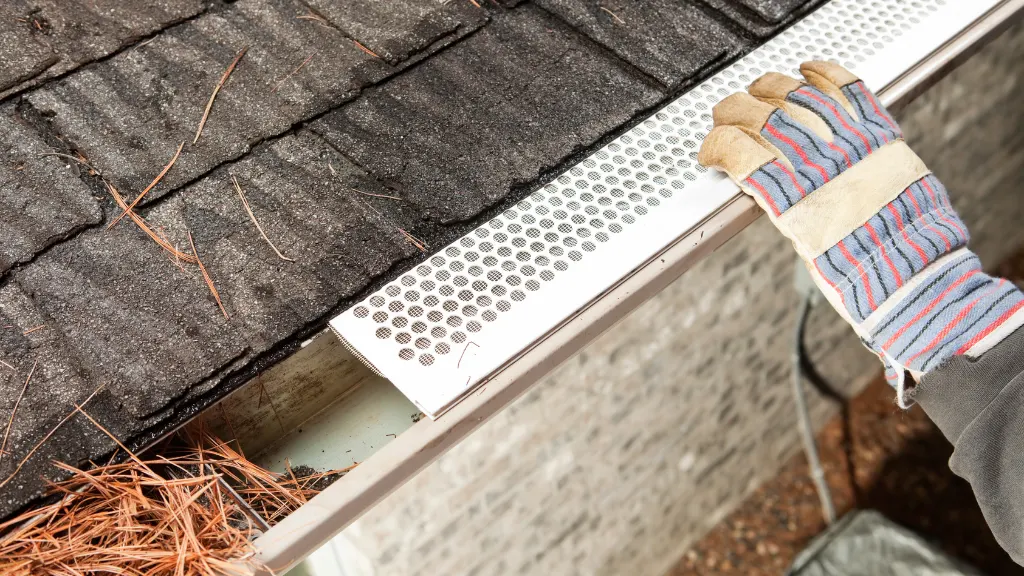
Gutter guards help reduce debris buildup, improve water flow, and make routine gutter maintenance much easier. However, their performance depends on proper installation from the very beginning. Understanding the gutter guard installation process helps homeowners avoid common mistakes and protect their gutters for years. Whether you want to learn how to install gutter guards or simply understand what professionals do, this guide explains each step clearly and helps you make a confident, informed decision.
Why Proper Gutter Guard Installation Matters
Proper gutter guard installation helps your gutter system perform efficiently while protecting your home from unnecessary water damage. When installed correctly, gutter guards provide several important benefits, including:
- Preventing clogged gutters caused by leaves and debris
- Maintaining smooth and consistent water drainage
- Protecting fascia boards and roof edges from moisture damage
- Reducing the risk of foundation erosion and water intrusion
- Extending the lifespan of your gutters by reducing wear and corrosion
Proper gutter guard installation also minimizes maintenance and helps your gutters perform reliably throughout every season.
Preparing for Gutter Guard Installation
Proper preparation is essential before installing gutter guards. A well-prepared gutter system ensures a secure fit, better water flow, and long-lasting performance.
Inspect the Existing Gutters
Before installation, carefully inspect your gutters for:
- Loose fasteners that need tightening
- Rust or corrosion that may weaken the gutter
- Sagging sections that prevent proper drainage
- Leaks around joints or seams
- An improper slope that causes standing water
Repair any problems before installing gutter guards to ensure the system performs effectively.
Clean the Gutters Completely
Remove all debris from the gutters and downspouts, including:
- Leaves
- Twigs
- Dirt
- Roof grit
Installing guards over dirty gutters can trap debris underneath the system. As a result, water flow becomes restricted, reducing the effectiveness of the gutter guards. Starting with clean gutters helps maximize performance and extends the life of the entire system.
Choosing the Right Type of Gutter Guard
Not every home needs the same type of gutter protection. Roof design, surrounding trees, local weather, and maintenance preferences all influence the best choice. Understanding the available options helps you select a system that delivers reliable performance and supports successful gutter guard installation.
Mesh Gutter Guards
Best for: Homes surrounded by trees and areas with small debris.
- Fine mesh filters leaves, pine needles, and roof grit.
- Allows rainwater to flow freely.
- Suitable for most residential homes.
- Offers long-lasting protection with minimal maintenance.
Screen Gutter Guards
Best for: Homes with larger leaves and light debris.
- Affordable and budget-friendly.
- Easy to install on many gutter systems.
- Blocks large leaves and twigs.
- May require occasional cleaning for smaller debris.
Reverse Curve Guards
Best for: Homes needing maximum water control.
- Uses surface tension to guide rainwater into the gutter.
- Keeps most leaves and debris outside the system.
- Performs well during heavy rainfall.
- Professional installation is often recommended for the best results.
Foam and Brush Inserts
Best for: Homeowners looking for a simple installation option.
- Quick and easy to install.
- Lower upfront cost than many other systems.
- Helps reduce larger debris buildup.
- Requires more frequent cleaning and maintenance over time.
Step-by-Step Gutter Guard Installation Process
A successful gutter guard installation follows a series of careful steps. Completing each one correctly helps improve water flow, reduce maintenance, and protect your gutter system for years.
Step 1: Measure Every Gutter Section
Start by measuring every section of your gutter system. Accurate measurements help you purchase the correct amount of material and avoid installation problems.
- Measure the length of each gutter run.
- Check the gutter width for a proper fit.
- Measure corners and angled sections carefully.
- Calculate the total materials required.
Step 2: Repair Any Existing Damage
Inspect the gutters before installing any guards. Fixing damaged areas creates a strong foundation and helps the system perform as intended.
- Tighten loose hangers and brackets.
- Seal separated joints and leaking seams.
- Straighten bent gutter sections.
- Repair damaged fascia boards.
Never install gutter guards over damaged gutters because existing problems can reduce their performance.
Step 3: Position the Gutter Guards
Place each gutter guard carefully to ensure complete coverage. Proper alignment helps block debris while allowing rainwater to enter the gutter smoothly.
- Align every guard evenly.
- Overlap connecting sections correctly.
- Ensure a snug, secure fit.
- Maintain clear water flow.
Double-check the placement before moving to the next section.
Step 4: Secure the Guards
Secure every gutter guard using the recommended fastening method. Strong attachment helps prevent movement during heavy rain and strong winds.
- Install mounting clips where required.
- Tighten corrosion-resistant screws securely.
- Lock hidden fasteners into place.
- Inspect every section after fastening.
Finish by testing the system with water to confirm smooth drainage and proper performance.
Common Mistakes to Avoid During Gutter Guard Installation
Avoid these common mistakes for better gutter performance:
- Installing gutter guards over dirty gutters
- Ignoring the correct gutter slope
- Using the wrong clips or fasteners
- Leaving gaps between gutter guard sections
- Choosing the wrong type of gutter guard
- Skipping gutter and fascia repairs
- Blocking proper roof water drainage
- Failing to test water flow after installation
Should You Install Gutter Guards Yourself or Hire a Professional?
Choosing between DIY and professional gutter guard installation depends on your skills, budget, and project requirements.
| Feature | DIY Installation | Professional Installation |
|---|---|---|
| Cost | Lower upfront cost | Higher initial investment |
| Safety | Requires working on ladders | Handled by trained professionals |
| Measurements | Risk of measuring errors | Accurate measurements and fitting |
| Installation Quality | Depends on experience | Proper alignment and secure installation |
| Water Drainage | May be affected by improper fitting | Optimized for smooth water flow |
| Warranty | May affect product warranties | Often includes installation warranty |
| Long-Term Performance | Varies by installation quality | Reliable and long-lasting results |
Professional installation usually provides better performance and long-term protection, while DIY installation is best for homeowners with the right tools and experience.
How Long Does Gutter Guard Installation Take?
Installation time varies from one home to another. Several factors influence how quickly the job can be completed, including:
- Home size and gutter length
- Roof height and accessibility
- Current condition of the gutters
- Type of gutter guard selected
- Number of installers working on the project
Keep in mind that preparation is just as important as installation. Inspecting, cleaning, and repairing the gutters often takes as much time as installing the gutter guards, ensuring reliable, long-term performance.
Conclusion
Proper gutter guard installation is the key to keeping your gutters clean, improving water drainage, and protecting your home from costly water damage. By preparing your gutters, choosing the right guard type, and following the correct installation process, you can enjoy long-lasting performance and reduce future maintenance. When in doubt, a professional installation helps ensure the best results.
Protect Your Home with Professional Gutter Guard Installation
Keep your gutters flowing freely and reduce the hassle of frequent cleaning. Our experienced team provides reliable gutter guard installation tailored to your home’s needs. Get lasting protection against leaves, debris, and water damage with a system designed to perform year-round.
Get Your Free Gutter Guard Estimate