
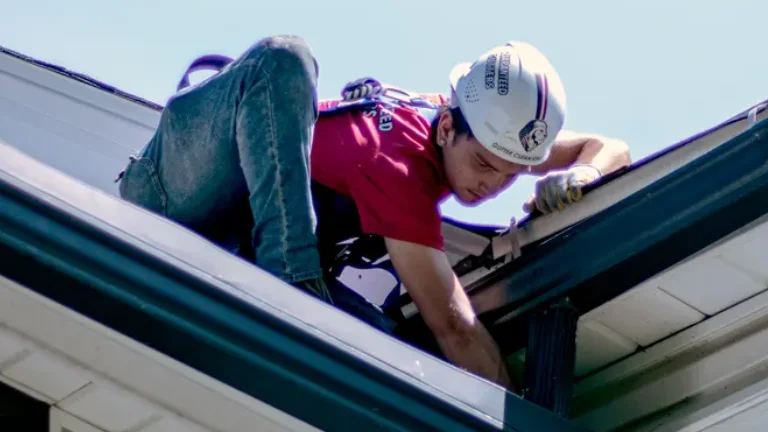
Winter brings heavy snow, freezing temperatures, and constant moisture that place extra stress on your roof, gutters, and overall drainage system. As ice forms and melts, many homeowners begin to wonder whether they should remove gutter guards to avoid clogs or ice buildup. This question matters because the right choice can protect your home from leaks, prevent structural damage, and reduce long-term repair costs. Understanding how gutter guards act in winter actually helps you make a safer and more cost-effective decision.
How Winter Weather Impacts Your Gutters
Winter weather brings heavy snow loads, constant freeze–thaw cycles, and ice buildup that place significant pressure on your gutters. When melting snow cannot drain properly, clogged gutters overflow, leading to leaks, siding damage, and even weakened foundations. Ice that forms along the edges can also bend or pull gutters away from the roof. In these conditions, gutter guards play a key role because they help reduce debris buildup and help water move through the gutters more smoothly. This can support better gutter performance during cold weather.
How Gutter Guards Work in Snowy Climates
Snowy climates expose gutter guards to wind-driven snow, constant freeze–thaw stress, and the weight of ice and snow on the gutter system. Performance during winter varies based on roof pitch, snow load, installation quality, debris type, and overall drainage layout. Some materials handle winter stress better than others, depending on conditions, while poorly matched or improperly installed systems may experience bending, overflow, or drainage issues during cold weather.
Pros and Cons of Keeping Gutter Guards Installed in Winter
| Pros | Cons |
| Prevent debris buildup during the winter months | Poor installation can lead to ice formation on top of the gutter |
| Reduce gutter congestion and allow smoother drainage | Some gutter guard types may trap snow, especially foam or plastic |
| Limit clogs caused by melting snow and ice | The weight of snow and ice may stress weak guard materials |
| Minimize the need for frequent gutter cleaning | Older or cheaper guards may warp in cold winter climates |
| Support the proper flow of melting water away from your home | Misaligned systems may cause overflow during harsh winter weather |
Should You Remove Gutter Guards in Winter?
Whether you should remove gutter guards in the winter depends on your gutter protection system, climate, and guard type. In most cases, gutter guards should remain installed during winter. Gutter guards are designed to help reduce debris and support drainage. They do not prevent ice dams, but clearer gutters may help reduce winter drainage backups.
Removal should only be considered in specific situations, such as:
- Damaged or loose guards that no longer sit securely on the gutter
- Weak or deteriorating foam gutter inserts that trap ice or snow
- Misinstalled guards causing water overshoot, overflow, or improper drainage
- Sagging gutters or systems stressed by heavy snow accumulation
What NOT to Do in Winter
- Do not pry gutter guards off in freezing temperatures. Cold metal and fasteners can bend, crack, or loosen, creating more damage.
- Do not chip ice with tools or sharp objects. This can damage gutter guards, gutters, and roofing materials.
- Do not climb ladders in icy or snowy conditions. Slips and falls are a serious risk during winter.
If winter conditions make inspection unsafe, it’s best to wait or have a professional evaluate the system.
How to Protect Gutter Guards in Winter
- If ice dams occur repeatedly, a roofing or insulation professional may need to evaluate attic insulation and ventilation.
- Inspect guard alignment to ensure that your gutters can handle the accumulation of snow and that no gaps allow ice inside the gutter.
- Heat cables may help in specific problem areas when properly assessed and installed.
Important Factors to Consider Before Installing Gutter Guards
- Climate conditions: Ice dams are primarily caused by roof temperature issues. Gutter guards may help keep gutters clearer, which can reduce drainage backups, but they are not an ice-dam solution on their own.
- Roof and gutter size: Ensure the type of gutter and roof pitch match the guard design for proper drainage and to avoid winter issues.
- Material strength: Aluminum and steel offer better gutter protection in harsh weather, while foam gutter inserts or plastic covers may fail.
- Snow load capacity: Check if the guards can handle the weight of the snow and the accumulation of ice during the winter season.
- Installation quality: Proper alignment ensures guards help debris without causing overflow or letting ice form inside the gutter
- Maintenance needs: Some gutter guard options require seasonal checks, especially during the winter, to ensure that your gutters stay clear.
- Compatibility with heat systems: Homes in ice-prone regions may need heated gutter guards or heat cables to melt ice and prevent winter gutter damage.
- Cost vs value: Compare upfront cost with long-term benefits such as reduced debris buildup and less frequent cleaning—not ice dam prevention.
- Roof insulation and ventilation: Poor insulation can increase the risk of ice dams, making guard performance less effective.
- Local environment: Trees, debris patterns, and local snowfall levels all affect how gutter guards work and what system is worth installing.
Conclusion
Gutter guards can remain in place during the winter if they are well-made, correctly positioned, and appropriate for your local weather conditions. With the correct setup, they help water flow more easily, reduce blockages, support drainage, and reduce the risk of debris-related blockages during winter. When you pick durable materials, keep insulation in good shape, and use heating options if required, you can keep your house safe and ensure your gutters work reliably throughout the entire winter season.
Need Help With Winter Gutter Issues?
If you’re seeing overflow, icicles, or ice buildup along the gutter line, we can inspect the system and recommend the safest next step—cleaning, drainage correction, guard adjustment, or heat cable assessment where appropriate.
Contact Us