
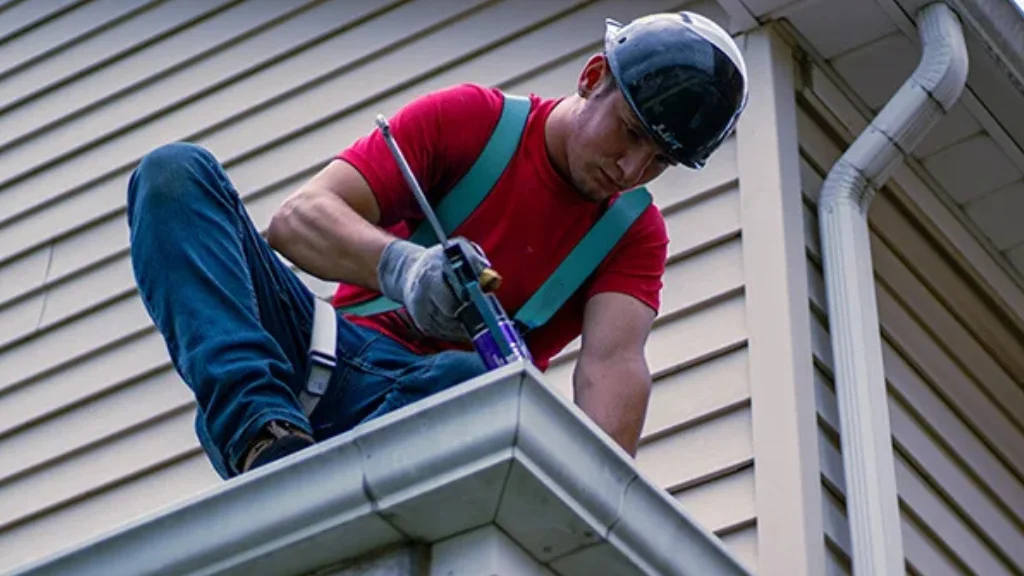
Sagging gutters may look minor, but they can quickly lead to costly damage. When gutters lose alignment, water overflows and harms your roof, walls, and foundation. Therefore, learning how to fix sagging gutters is essential. This guide clearly explains how to repair sagging gutters using simple, effective methods for long-lasting protection.
Common Signs of Sagging Gutters
- Gaps are forming between the gutter and the roofline
- Water spills over during rainfall
- Standing water inside the gutter
- Rust spots or visible cracks
- Loose, damaged, or missing fasteners
- Peeling paint or water stains on exterior walls
Main Causes of Sagging Gutters
Understanding the reasons behind gutter sagging helps every homeowner choose the right ways to fix the issue early. In many cases, small problems in the gutter system can quickly grow and cause serious damage to your home. Below are the most common causes of gutters to sag.
Loose or Broken Fasteners
Over time, gutter screws, gutter spikes, or brackets can come loose. As a result, gutters pull away from the fascia board and lose support. Old holes and worn screws or brackets make the problem worse, especially during heavy rain.
Clogged Gutters and Debris Buildup
Clogged gutters filled with water and debris add extra weight. This causes gutters to sag and pull away from the fascia. In addition, clogs in your downspouts stop proper drainage, which affects the entire gutter line.
Improper Gutter Installation
If gutters should slope slightly but are installed incorrectly, water will not flow toward the downspouts. Ideally, gutters should slope about an inch every 10 feet. Poor gutter installation often leads to sagging gutter sections over time.
Water Damage and Weak Fascia Board
Continuous exposure to moisture can weaken the fascia board. As a result, gutters pull away from the fascia board and lose their hold. This type of water damage often requires deeper gutter repair.
Aging Materials and Wear
Older gutter sections may bend or weaken. Weather, ice dams, and falling debris can also damage the system. Many homeowners notice sagging gutters early when materials start to fail.
Why Fixing Sagging Gutters Is Important
Ignoring sagging gutters can quickly lead to costly problems. When gutters pull away or lose their slope, water no longer flows away from your home. As a result, it can damage your roof, walls, and even the foundation. Therefore, timely repair is essential to protect your property.
- Helps prevent water damage to the roof and exterior walls
- Protects the foundation from erosion and cracks
- Reduces the risk of mold and mildew growth
- Improves water flow toward the downspouts
- Extends the life of your gutter system
Tools and Materials You May Need
Before you start fixing your gutters, gather the right tools and materials for a safe and smooth repair. Proper preparation helps you work faster and avoid mistakes while working on your gutters.
- Stable ladder for safe access
- Screwdriver or drill for tightening
- Replacement screws or gutter hangers
- Sealant or caulk for leaks
- Level tool to check proper slope
- Gloves and safety gear for protection
How to Fix Sagging Gutters: Step-by-Step Methods
Clean the Gutters First
Start by removing leaves, dirt, and standing water from all sections of the gutter. Clean your gutters at least three times a year—twice in fall and once in spring to prevent buildup. Also, rinse the gutters and check the flow toward the downspout. This step reduces weight and helps fix minor gutter issues early.
Tighten Loose Fasteners
Check for loose fasteners, as screws or spikes often come loose over time. Tighten them securely along the front of the gutter. If holes are worn, replace old ones with stronger fasteners. This simple sagging gutter repair step helps keep your gutters stable and away from the house.
Replace Damaged Hangers
If gutters are sagging due to broken supports, replace the damaged hangers. Install new ones evenly across sections of the gutter to provide extra support. Strong hangers help protect your home and keep your gutters in top condition, preventing future sagging across the entire gutter system.
Adjust the Gutter Slope
Ensure gutters slope correctly toward the downspouts so water flows away from your roof. Improper alignment is one of the main reasons gutters fail. Adjust sections carefully to restore the correct angle, helping prevent water from collecting along the side of your home.
Repair or Replace Fascia Boards
If the fascia board is weak, gutters may pull away and cause damage. You may need to remove the old one and install a new support board. This step strengthens the base of your gutter system and ensures long-term protection for your home.
Seal Leaks and Joints
Check joints and seams for leaks that cause gutter issues. Apply a strong sealant to close gaps and stop water escape. Proper sealing improves flow toward the downspout and supports effective gutter repair services, keeping your system working efficiently during heavy rain.
Install Additional Support Brackets
For long gutter runs, add extra support brackets to prevent sagging. This helps distribute weight evenly and avoids strain on weak sections. Installing gutter guards along with brackets also reduces debris buildup, making it easier to keep your gutters clean and prevent future sagging.
DIY vs Professional Gutter Repair
When choosing how to repair sagging gutters, consider the level of damage and your comfort with tools.
DIY Repair
- Cost-effective for minor gutter issues
- Suitable for loose fasteners or small adjustments
- Requires basic tools and safety precautions
Professional Repair
- Ideal for severe or complex damage
- Ensures proper installation and long-term results
- Saves time and reduces safety risks
Preventing Sagging Gutters in the Future
- at least three times a year—twice in fall and once in spring to prevent debris buildup and excess weight
- Install gutter guards to reduce clogs and simplify maintenance
- Inspect gutters after heavy rain to detect damage early
- Use high-quality materials for better durability and performance
- Ensure proper installation with correct slope and spacing for long-term stability
Common Mistakes to Avoid
- Ignoring the root cause of sagging
- Using incorrect or weak fasteners
- Skipping cleaning before starting repairs
- Improper slope adjustment affecting water flow
- Allowing debris to overload the gutters
Cost of Fixing Sagging Gutters
The cost of fixing sagging gutters depends on the level of damage. Minor repairs, such as tightening or replacing screws, are usually low-cost. Moderate repairs, like replacing hangers, fall in the mid-range. However, major repairs, including fascia or full section replacement, can be expensive. DIY repairs are more affordable, while professional services offer better durability and long-term reliability.
When to Replace Instead of Repair
- Gutters are severely rusted or cracked
- Multiple sections are sagging
- Repairs are needed frequently
- Extensive water damage is present
Conclusion
Sagging gutters can quickly turn into serious damage if ignored. By understanding how to fix sagging gutters and using the right repair methods, you can protect your roof, walls, and foundation. Regular maintenance and timely action not only improve performance but also extend the life of your gutter system, saving you time and money in the long run.
Fix Your Sagging Gutters Before Damage Gets Worse
Don’t wait for small gutter issues to turn into costly repairs. Whether you need quick fixes or complete gutter repair, taking action now can protect your home from water damage. Get expert support or start your repair today with the right tools and guidance.
Schedule your gutter repair today!