
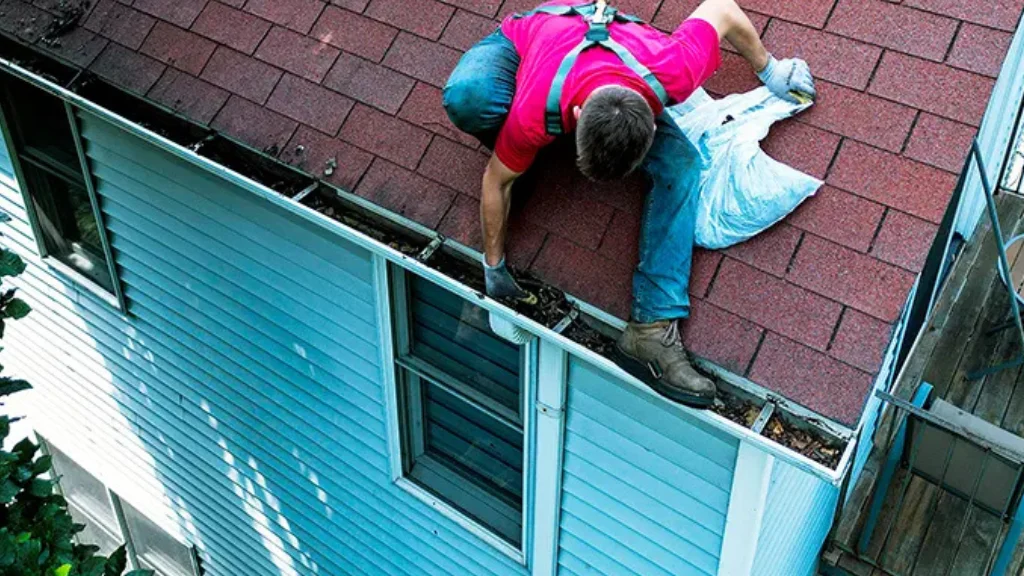
Gutters are designed to move water away from the home, but birds may sometimes use them as a nesting spot. When nesting material and debris build up in the system, water flow can be restricted and may contribute to overflow and drainage-related issues around the home. Regular maintenance can help support gutter performance while also reducing conditions that attract nesting.
Common Reasons for Bird Activity Within Gutter Systems
Safe High Ground: Gutters offer a natural height advantage that keeps nests away from ground predators. The curved trough provides a stable, pre-built base for any nesting pair.
Built-in Materials: Uncleaned gutters attract birds. Debris like twigs and dried leaves provides convenient building materials right where they choose to build their home.
Warmth and Shelter: Gutters near attic vents may offer added warmth during chilly Chicago springs, which can make those areas more attractive for nesting.
If nesting activity is not addressed, birds may return to the same areas seasonally. Over time, repeated nesting and debris buildup can contribute to clogs and added strain on parts of the gutter system.
Important: Understand the Rules for Nest Removal
Before removing any nest or installing deterrents, it is important to check whether the nest is active. In some situations, birds, eggs, or active nests may be protected, so homeowners should use caution and confirm what is appropriate before disturbing the area.
If you find an active nest, the best approach is often to wait until the nest is no longer active before removing debris or taking further prevention steps. Once the nest is empty, you can safely remove the debris and begin the prevention steps listed below to ensure they do not return for a second brood.
Proactive Measures to Prevent Gutter Nesting
If you are wondering how to keep birds out of gutters naturally, there are several effective methods that do not rely on harsh chemicals or traps. These professional strategies focus on changing the environment—using tools like a bird spike or gutter guard—to make your roof less appealing for nesting while keeping the local wildlife safe.
Use Gutter Guards to Help Manage Debris
One helpful way to discourage nesting activity is to reduce open access to the gutter trough. Gutter guards can help manage debris buildup and make the area less inviting for birds to settle in.
Proper gutter guard installation can help reduce open access to the gutter trough and make the area less inviting for nesting. These covers also help reduce debris like twigs and leaves from piling up. Less debris means fewer building materials for the local birds.
Install Visual and Sound Deterrents
Birds are easily spooked by shiny objects or unexpected noises. You can use simple items to deter birds and make your roof look less attractive. Many homeowners use reflective tape or small mirrors near the roofline.
Reflective movement and light may help discourage bird activity in some situations, especially when deterrents are repositioned from time to time. You can also find plastic owls or hawks at most local hardware stores. Moving these decoys every few days keeps the birds from realizing they are fake.
Keep Your Gutters Clean
A clean gutter is less attractive for nesting. Regular gutter cleaning helps remove leaves, twigs, and buildup that birds may use for nesting material. The ideal cleaning schedule can vary depending on the home and surrounding tree coverage, but consistent maintenance is important.
If you wait too long and temperatures drop, the debris will freeze solid. This leaves you with clogged gutters all winter long. Clogged gutters hold water that can get frozen and lead to ice dams.
Use Gutter Spikes or Brushes
Gutter spikes are small, blunt rods that can make landing and nesting less comfortable for birds along certain edges. They do not hurt the birds, but they do make the area uncomfortable. You can install these along the edges where birds like to perch.
Gutter brushes are another option that look like large pipe cleaners. They sit inside the trough and fill the space completely. Birds cannot find a flat surface to start their nest-building process.
Repair Holes and Sagging Areas
Birds may be drawn to gaps, loose areas, or sagging sections of the gutter system where nesting feels more sheltered. Checking for loose brackets, gaps, or damaged sections and addressing them promptly can help reduce nesting opportunities while also supporting overall gutter function.
Check your system for any loose brackets or holes. Fixing these small issues keeps the birds out and protects your wood trim. A tight, secure system is your best defense against unwanted guests.
Summary Checklist for Homeowners
- Keep up with regular gutter cleanings based on the home’s tree coverage and surrounding conditions.
- Install gutter guards to help manage water and limit access.
- Use reflective tape or decoys to prevent birds from nesting.
- Check for sagging spots where birds might find shelter.
- Keep an eye on downspouts to ensure they stay clear of debris.
Conclusion
Keeping birds out of gutters can help reduce nesting-related clogs and support better water flow through the system. Regular cleaning, timely repairs, and select deterrents may help make gutters less attractive for nesting over time. A proactive maintenance approach can also help support overall gutter performance throughout the year.
Let Us Help You Protect Your Home
If you are noticing bird activity, debris buildup, or gutter performance issues, our team can help evaluate the system and recommend the next best step based on your home’s needs.
Contact Us