
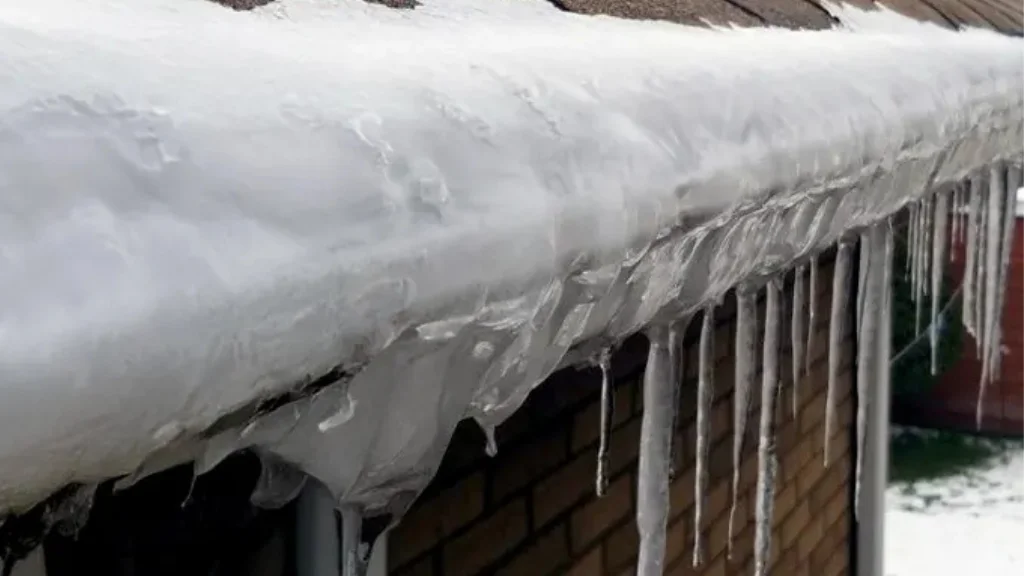
Ice buildup in gutters is a common winter problem. It can damage your roof and siding if ignored. When snow melts and refreezes at the edge, it forms ice dams. These block drainage and cause water to back up. This can lead to leaks. Many homeowners first notice this problem when water starts dripping inside.
Knowing the safest ways to address ice buildup in gutters can help homeowners better understand the problem and when it may be best to consider professional help.
Identifying the Ice Dams
Ice dams are more than just a winter problem. They can cause serious water damage and weaken your home over time. Catching them early helps you avoid costly repairs.
Watch for these common warning signs:
- Large icicles are forming behind gutters instead of along the outer edges
- Water stains appearing on interior ceilings or along the walls
- Visible moisture that may suggest water is making its way into parts of the home
- Ice buildup along the roofline is blocking all normal drainage
If you notice these signs, it’s time to take action.
Best Ways to Remove Ice from Gutters
Every home is different, so the right solution can vary. The right method depends on how thick the ice is and how easy it is to access safely. Some methods work best for prevention, while others remove existing ice.
Steam Removal (Professional Method)
Steam removal is often considered one of the safer and more effective ways to address thick ice dams. It can help melt ice without the same level of force that may damage shingles or gutters, and it may help open drainage channels more effectively in certain situations.
This method works by:
- Melting ice slowly with low-pressure steam
- Creating channels for trapped water to drain through downspouts.
- Protecting roofing materials during the process
You’ll want this option if the ice is thick or hard to remove on your own.
Calcium Chloride Ice Melt (DIY Solution)
Calcium chloride is sometimes used as a lower-corrosion alternative to rock salt for helping open a drainage channel through ice when used carefully and according to product instructions. Regular roof maintenance, such as clearing debris before snowfall, improves de-icer performance and helps prevent hidden ice dams.
To use it:
- Fill a cloth sock or nylon with calcium chloride
- Place it vertically across the ice dam
- Let it melt a channel through the ice
This method may help open a drainage channel through the ice, but results can vary depending on the conditions and it should be used carefully.
Roof Raking (Prevention and Control)
This method helps stop the problem before ice dams even form. It is most effective when used immediately after a fresh snowfall, especially when combined with proper gutter installation that supports smooth drainage.
It helps by:
- Reducing new ice formation at the roof edge
- Lowering pressure on your gutters
- Limiting buildup during repeated freezing and melting
Use a roof rake from the ground to clear the first few feet of snow. This keeps you safe and off the roof.
Heated Gutter Cables (Ongoing Control)
Heated cables run along roof edges and gutters to keep drainage clear—especially in winter. They provide steady, low heat that can help manage freezing conditions in certain areas of the gutter system, depending on the home and weather conditions.
They help by:
- Reducing freezing inside the gutters
- Melting ice slowly over time
- Managing repeated freezing and melting
This is a long-term solution for homes in colder climates. While they help manage winter conditions, ice buildup can still vary with the weather.
Commercial De-Icing Products
Commercial roof de-icing products are designed for specific winter conditions and may offer a more consistent application method than some homemade alternatives.
These products:
- Act faster than standard ice melt methods
- Are simple to apply
- Come in tablets or pouches
Always follow the manufacturer’s instructions for safe use.
Warm Water Application (Limited Use)
Warm water may help loosen very small sections of thin ice in limited situations, but it is typically only a short-term measure and should be used with caution due to the risk of refreezing.
However:
- It only works on thin ice layers
- Water can refreeze quickly in cold temperatures
- It should be used carefully
This method works best as a short-term fix.
Manual Removal (Use with Caution)
Manual removal should be approached very cautiously and is generally not recommended except in very limited situations where thin ice is safely reachable from the ground or another stable position. If the ice is firmly attached or difficult to access, it is usually better to stop and consider a safer alternative.
If you try this method:
- Use plastic tools, not metal
- Avoid scraping shingles or gutters
- Do not use force
If the ice does not come off easily, stop and switch methods.
Gutter Ice Removal Methods at a Glance
| Method Name | Best For… | Equipment Needed | Difficulty |
| Steam Removal | Thick ice dams & active leaks | Professional Steam Unit | Professional |
| Calcium Chloride Ice Melt | Creating drainage channels | Cloth sock/nylon & melt | DIY |
| Roof Raking | Preventing buildup after snow | Long-reach roof rake | DIY (Ground) |
| Heated Gutter Cables | Ongoing winter management | Heat cables & power outlet | Installation |
| Commercial De-Icing Products | Quick, simple application | Tablets or pouches | DIY |
| Warm Water Application | Very thin, new ice layers | Warm water & bucket | DIY (Limited) |
| Manual Removal | Reachable, loose ice | Plastic tools | DIY (Caution) |
Common Mistakes to Avoid When Removing Gutter Ice
Using the wrong techniques can lead to costly repairs or serious injury. Homeowners often make mistakes out of frustration with the ice, leading to permanent roof damage. Safety and material preservation must always remain the top priorities.
Avoid these common mistakes:
- Using metal tools that can damage gutters and shingles
- Climbing icy ladders without proper safety gear
- Applying open flames or blowtorches to the roofline
- Striking the ice with excessive physical force
If the ice is hard to reach or too thick, it’s safer to call a professional.
Final Thoughts on Ice Management
There are several ways to address ice buildup in gutters, but not all methods are equally appropriate for every home or winter condition. Steam removal, calcium chloride, heated cables, and roof raking may each have a role depending on the roof, weather, and severity of the buildup. The best approach depends on the specific situation and should be considered carefully with safety in mind.
Stay Ahead of Ice Buildup This Winter
Ice buildup can contribute to drainage issues and winter-related damage if left unaddressed. If you are dealing with gutter ice or ice dam concerns, our team can help evaluate the situation and determine the best next step for your home.
Contact Us